গোলাম মুর্তজা
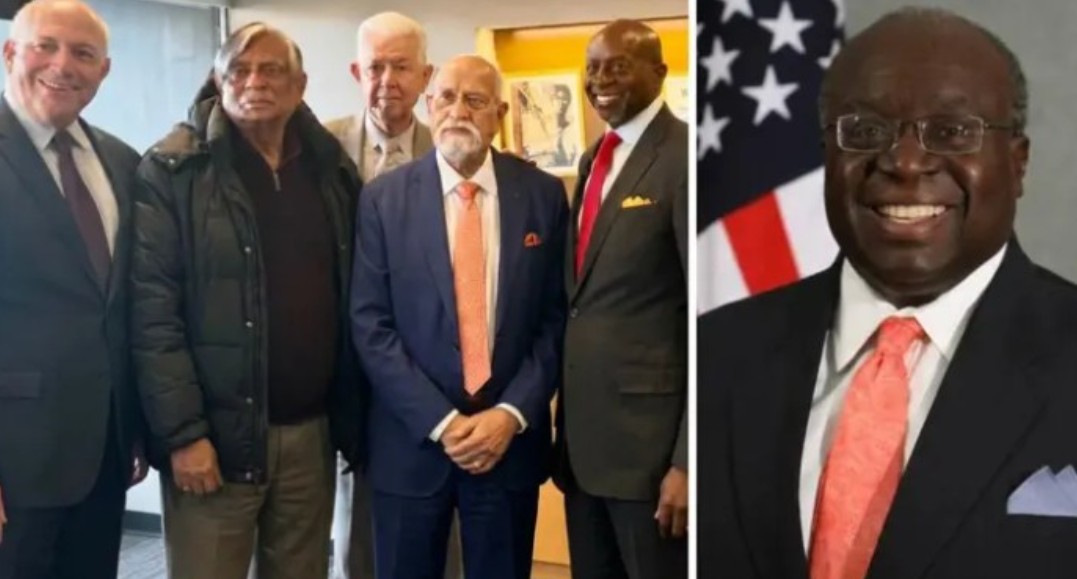
(কার্যক্রম নিষিদ্ধ আওয়ামী লীগ তাদের প্রোপাগান্ডার অংশ হিসেবে আজ (২৪ নভেম্বর ২০২৬) নিউ ইয়র্কে একটি অনুষ্ঠানের আয়োজন করেছিল। সেই অনুষ্ঠানের প্রধান আলোচক ছিলেন বাংলাদেশে নিযুক্ত যুক্তরাষ্ট্রের সাবেক রাষ্ট্রদূত হ্যারি কে টমাস। টমাস তার বক্তব্যে যা বলেছেন, ফ্যাসিস্টরা তা শোনার জন্যে মোটেই প্রস্তুত ছিল না। একজন ভাড়াটে তথাকথিত সাংবাদিককে দিয়ে আজেবাজে কিছু কথা বলালেও, হ্যরি কে টমাসের বক্তব্যের সামনে তা ম্লান হয়ে গেছে। হ্যারির ইংরেজি বক্তব্যের এটা গুগলের বাংলা অনুবাদ। নিচে ইংরেজি বক্তব্যটা দেওয়া আছে। কেউ কোট করতে চাইলে অবশ্যই ইংরেজিটা দেখে নেবেন। গুগল অনুবাদের ওপর পুরোপুরি নির্ভর করবেন না।)
হ্যরি কে টমাসের পুরো বক্তব্য:
ঢাকা কোন পথে!
বাংলাদেশ আজ ও আগামীকাল
হ্যারি টমাস
সুপ্রভাত।
আমার নাম হ্যারি। আমি বাংলাদেশকে ভালোবাসি।
নীতি নিয়ে কথা বলার আগে মনের কথা বলি। আমি বাংলাদেশের মানুষকে ভালোবাসি। এই বন্ধন নিয়ে আমার গর্বের একটি বড় কারণ একটি গান। বাংলাদেশের মানুষ যখন ‘আমরা করব জয়’ গায়, তখন তারা গায় ‘উই শ্যাল ওভারকাম’। যুক্তরাষ্ট্রের নাগরিক অধিকার আন্দোলনে প্রতিবাদ ও আশার গান হয়ে উঠেছিল এটি। যুক্তরাষ্ট্রের দক্ষিণাঞ্চলের গির্জা আর মিছিল থেকে গানটি পৌঁছে গেছে বাংলাদেশের রাজপথে। আজও এ গান দুই দেশেরই।
দুটি স্মৃতি আজও মনে পড়ে। ২০০৪ সালে আমার বাবা ক্যানসারের সঙ্গে লড়ছিলেন। সে সময় মাকে সঙ্গে নিয়ে নিউইয়র্কের কুইন্সে বাংলাদেশি-আমেরিকান চিকিৎসকদের একটি সম্মেলনে গিয়েছিলাম। সেখানে উপস্থিত সব চিকিৎসক উঠে দাঁড়িয়ে বাবার জন্য প্রার্থনা করেছিলেন। সে কথা আমি কোনো দিন ভুলব না। ২০০৫ সালে একদিন ‘আমেরিকা উইক ইন খুলনা’ লেখা পোলো শার্ট পরে সেন্ট্রাল পার্ক সাউথ ধরে হাঁটছিলাম। একের পর এক ট্যাক্সিচালক শার্টটি দেখে হাসিমুখে আমাকে অভিবাদন জানালেন। নিউইয়র্কের দুই জায়গায় চিকিৎসক আর ট্যাক্সিচালকদের কাছে একই আন্তরিকতা পেয়েছি।
এ কারণেই বাংলাদেশের মানুষ ভোটের মাধ্যমে যে সিদ্ধান্ত নিয়েছে, তা আমার কাছে এত গুরুত্বপূর্ণ। বহুদলীয় গণতন্ত্র বাইরে থেকে চাপিয়ে দেওয়া যায় না। একটি দেশের মানুষকেই তা বেছে নিতে হয়। ফেব্রুয়ারিতে বাংলাদেশের মানুষ সেটাই করেছে। গণতন্ত্রে দেশ পরিচালনার জন্য জনগণের রায় পাওয়া একটি সরকার দরকার। একই সঙ্গে এমন শক্তিশালী বিরোধী দল দরকার, যারা সরকারকে প্রশ্ন করতে পারবে, জবাবদিহি করতে বাধ্য করবে এবং ভোটারদের সামনে একটি বাস্তব বিকল্প তুলে ধরবে।
তাই আমার একটি অনুরোধ আছে। ওই চিকিৎসক আর ট্যাক্সিচালকদের মধ্যে বাংলাদেশের প্রতি একই টান দেখেছিলাম। থ্যাংকসগিভিং সামনে রেখে আসুন, আমরা প্রার্থনা করি, প্রধানমন্ত্রী যেন বাংলাদেশকে নেতৃত্ব দিতে সফল হন এবং বিরোধী দল যেন শক্তিশালী ভূমিকা রাখতে পারে। বাংলাদেশের মানুষ যে গণতন্ত্র বেছে নিয়েছে, তাতে দুই পক্ষেরই ভূমিকা আছে। আমরা চাই বাংলাদেশ সফল হোক।
অধিকাংশ দেশ বিশ বছরেও যত ঘটনার মধ্য দিয়ে যায়, বাংলাদেশ দুই বছরেই তার চেয়ে বেশি দেখেছে। ২০২৪ সালে ছাত্রদের নেতৃত্বে এক অভ্যুত্থানে শেখ হাসিনার দীর্ঘ শাসনের অবসান ঘটে।
জাতিসংঘের মানবাধিকার কমিশনের হিসাবে, ২০২৪ সালের গ্রীষ্মে নিহতের সংখ্যা ১,৪০০ পর্যন্ত হতে পারে। তাদের অনেকেই নিরাপত্তা বাহিনীর গুলিতে নিহত হন। একপর্যায়ে সহিংসতার লক্ষ্য হন পুলিশ ও অন্যান্য নিরাপত্তা বাহিনীর সদস্যরাও। ৪৪ জন পুলিশ সদস্য নিহত হন। থানায় হামলা চালিয়ে আগুন দেওয়া উত্তেজিত জনতার হাতে তাদের অনেকেই প্রাণ হারান। অন্যান্য নিরাপত্তা বাহিনীর আরও আটজন সদস্যও নিহত হন। তাদেরও আমাদের স্মরণ করা উচিত। কী ভয়াবহ উন্মত্ততা! নিহতের হিসাবের প্রতিটি সংখ্যার পেছনে আছে একজন মানুষের নাম।
রংপুরে ছাত্র আবু সাঈদ দুই হাত ছড়িয়ে পুলিশের সামনে দাঁড়িয়েছিলেন। তাকে গুলি করে হত্যা করা হয়। নারায়ণগঞ্জে ছাদ থেকে সংঘর্ষ দেখার সময় ছয় বছরের এক মেয়ে নিহত হয়। তাদের জীবনের বিনিময়েই বাংলাদেশ আজকের গণতন্ত্র পেয়েছে। আজ আমরা যা-ই বলি, সবার আগে এ কথাই বলা উচিত।
এরপর অন্তর্বর্তী সরকার দায়িত্ব নেয়। ফেব্রুয়ারিতে বাংলাদেশের মানুষ ভোট দেয়। ১৭ বছরের নির্বাসন শেষে দেশে ফেরা তারেক রহমানের নেতৃত্বে বিএনপি দুই-তৃতীয়াংশ সংখ্যাগরিষ্ঠতা পায়। নির্বাচনের ফল নিয়ে যার যা-ই মত থাকুক, বাংলাদেশে ভোটের মাধ্যমে শান্তিপূর্ণ ক্ষমতা হস্তান্তরের স্বীকৃতি দেওয়া উচিত।
ক্ষোভ আর বিদ্বেষ পুষে রাখার বিপদ শেক্সপিয়ারের রচনায় বারবার এসেছে। কাজী নজরুল ইসলামও ‘কাণ্ডারী হুঁশিয়ার’ কবিতায় সতর্ক করেছিলেন, রাতের বিপজ্জনক জলপথ পাড়ি দেওয়ার সময় যাত্রীদের বিবাদে যেন নৌকা ডুবে না যায়।
বাংলাদেশের মানুষ এখনো বিভক্ত। বিএনপি ও বর্তমানে কার্যক্রম নিষিদ্ধ আওয়ামী লীগের মধ্যে বিভাজন আছে। সরকার ও সংসদে বিরোধী পক্ষের নেতৃত্বে থাকা জামায়াতে ইসলামীর মধ্যেও বিভাজন আছে। আরও গভীর বিভাজন রয়েছে দীর্ঘদিন ধরে ক্ষমতার কেন্দ্রে থাকা আমলাতন্ত্র এবং নিজেদের সম্ভাবনা কাজে লাগানোর সুযোগ চাওয়া তরুণ প্রজন্মের মধ্যে। এই তরুণেরাই ২০২৪ সালে রাজপথ ভরিয়ে দিয়েছিল।
দুর্ভাগ্যজনকভাবে, ক্ষমতাসীন দল ও নিষিদ্ধ বিরোধী দল এখনো কয়েক দশকের পুরোনো প্রতিদ্বন্দ্বিতা, রাজনৈতিক দ্বন্দ্ব আর জোটের টানাপোড়েনে আটকে আছে। এই সপ্তাহেই প্রধানমন্ত্রী বিরোধীদলীয় নেতাকে চায়ের আমন্ত্রণ জানিয়েছেন। উদ্যোগটি নজর কেড়েছে। আলোচনায় অবশ্য পুরোনো শত্রুর কথাই উঠে এসেছে। দুই পক্ষ মিলে ভবিষ্যতের জন্য কী করতে পারে, সে কথা ওঠেনি।
এবার বর্তমান পরিস্থিতির কথায় আসি। হিউম্যান রাইটস ওয়াচের মতে, বিএনপি ‘যাদের বিরোধী বলে মনে করেছে, তাদের যথেচ্ছভাবে আটক করেছে এবং মানবাধিকার সুরক্ষার ব্যবস্থা দুর্বল করেছে’। এতে ‘রাজনৈতিক দমন-পীড়নের চক্র’ অব্যাহত রয়েছে। ২০২৪ সালে নিহতদের জন্য ন্যায়বিচার নিশ্চিত করতে হবে প্রমাণের ভিত্তিতে, বাংলাদেশের সংবিধান অনুযায়ী সুষ্ঠু বিচারের মাধ্যমে। অভিযোগ দায়ের না করে কাউকে আটকে রেখে ন্যায়বিচার নিশ্চিত করা যায় না।
নতুন সরকার সংকটে থাকা একটি অর্থনীতির দায়িত্ব নিয়েছে। বিশ্বব্যাংকের পূর্বাভাস অনুযায়ী, এ বছর ও আগামী বছর প্রবৃদ্ধি হবে ৩ দশমিক ৪ শতাংশ। মূল্যস্ফীতি প্রায় ৮ দশমিক ৫ শতাংশে আটকে আছে। সেই হারে মজুরি বাড়েনি। এ বছর আরও প্রায় ২১ লাখ বাংলাদেশি দারিদ্র্যের মধ্যে পড়েছেন। ব্যাংক খাত চাপে আছে। কর রাজস্ব জিডিপির মাত্র ৮ থেকে ৯ শতাংশ, যা বিশ্বের সর্বনিম্ন হারগুলোর একটি। মধ্যপ্রাচ্যের সংঘাতে জ্বালানির খরচ বেড়েছে। তবে প্রবাসী বাংলাদেশিদের পাঠানো রেমিট্যান্সের প্রবাহ বজায় আছে।
ঢাকার নজর ছিল ২৪ নভেম্বরের দিকে। নতুন সরকার প্রস্তুতির জন্য আরও তিন বছর চেয়েছিল। জাতিসংঘের সাধারণ পরিষদ সেই সময় না দিলে ওই দিনই বাংলাদেশ স্বল্পোন্নত দেশের তালিকা থেকে বেরিয়ে যেত। এই উত্তরণ বড় অর্জন। তবে উত্তরণের সঙ্গে সঙ্গেই অগ্রাধিকারমূলক বাণিজ্যসুবিধা হারানোর দিন গণনা শুরু হয়। তৈরি পোশাক খাতও এখন নতুন চাপে রয়েছে।
২৯ অক্টোবর সাধারণ পরিষদ তার সিদ্ধান্ত জানায়। ইউরোপীয় ইউনিয়ন ও জি-৭৭-এর সমর্থনে প্রস্তুতির সময়সীমা ২০২৯ সালের ২৪ নভেম্বর পর্যন্ত বাড়ানো হয়েছে। এটি ঢাকার কূটনৈতিক সাফল্য। এই সময় বাংলাদেশ ধার পেয়েছে, আর তা কাজে লাগানোর দায়িত্বও বাংলাদেশের। প্রস্তাবটি ‘ব্যতিক্রমী বিবেচনায়’ অনুমোদন পেয়েছে। এতে দেশের ভেতরে সংস্কারের প্রত্যাশা স্পষ্ট করা হয়েছে। অগ্রগতি পর্যবেক্ষণের দায়িত্ব দেওয়া হয়েছে বাংলাদেশে জাতিসংঘের সংস্থাগুলোকে। যুক্তরাষ্ট্রের সামনে এখন প্রশ্ন হলো, বাড়তি তিন বছর কাজে লাগিয়ে বাংলাদেশ যাতে নির্বিঘ্নে উত্তরণ সম্পন্ন করতে পারে এবং সেই অগ্রগতি ধরে রাখতে পারে, সে জন্য ঢাকাকে কীভাবে সহায়তা করা যায়।
বাংলাদেশের রপ্তানি আয়ের বেশির ভাগ আসে ৪০ লাখ পোশাকশ্রমিকের শ্রমে। খাবার, বাড়িভাড়া ও চিকিৎসার খরচ যে হারে বাড়ছে, তার সঙ্গে তাল মিলিয়ে ন্যূনতম মজুরি বাড়ানোর দাবি জানাচ্ছেন তারা। শ্রমিক ও মালিকপক্ষের অবস্থানের ব্যবধানও কমতে শুরু করেছে। কাঁদানে গ্যাস দিয়ে এই বিরোধের সমাধান হবে না। আলোচনার মাধ্যমে ন্যায্য সমঝোতা হলে ক্রেতা ও শ্রমিকেরা দেখবেন, নতুন বাংলাদেশ যাদের শ্রমে সমৃদ্ধ হচ্ছে, তাদেরও সেই সমৃদ্ধির ভাগ দিতে পারে।
ফেব্রুয়ারিতে আমরা একটি পারস্পরিক বাণিজ্য চুক্তি সই করেছি। এতে বাংলাদেশের বেশির ভাগ পণ্যের ওপর ১৯ শতাংশ শুল্ক নির্ধারণ করা হয়েছে। একই সঙ্গে মার্কিন তুলা ও তন্তু দিয়ে তৈরি পোশাক শুল্কমুক্তভাবে যুক্তরাষ্ট্রে প্রবেশের সুযোগ রাখা হয়েছে। এতে বাংলাদেশের অর্থনৈতিক অগ্রগতির সঙ্গে মার্কিন কৃষকদের স্বার্থও যুক্ত হয়েছে।
গত সপ্তাহে যুক্তরাষ্ট্রের উন্নয়ন অর্থায়ন সংস্থা ডিএফসি জানিয়েছে, বাংলাদেশের প্রকল্পগুলো এখন তাদের অর্থায়ন পাওয়ার যোগ্য। শ্রম অধিকার ও কর্মস্থলের নিরাপত্তা নিয়ে উদ্বেগের কারণে বাংলাদেশ বহু বছর এই সুযোগের বাইরে ছিল। নতুন সরকারের শ্রম সংস্কার সেই সুযোগ ফেরাতে ভূমিকা রেখেছে। ডিএফসির আধুনিকায়নের পর বাংলাদেশই প্রথম দেশ, যে এই যোগ্যতা ফিরে পেল। এটি ত্রাণ বা অনুদান নয়। এটি মার্কিন মূলধনের সমর্থনে জ্বালানি, অবকাঠামো ও প্রযুক্তি খাতে বিনিয়োগ। বাড়তি তিন বছর কাজে লাগাতে বাংলাদেশের এমন বিনিয়োগই প্রয়োজন।
এই অর্থায়নের সবচেয়ে বেশি প্রয়োজন জ্বালানি খাতে। এ বছরের গ্রীষ্মে সারা দেশে বিদ্যুতের ঘাটতি ৩,০০০ মেগাওয়াট ছাড়িয়ে যায়। সরকার ব্যাপক লোডশেডিং করে। হাসপাতাল ও ওষুধের দোকানের মতো জরুরি সেবাগুলোই শুধু এর বাইরে ছিল। বাংলাদেশে বিদ্যুৎকেন্দ্র আছে। সেগুলো চালানোর জন্য পর্যাপ্ত গ্যাস নেই।
সেপ্টেম্বরে ওয়াশিংটন ও ঢাকা বেসামরিক পারমাণবিক সহযোগিতা নিয়ে একটি সমঝোতা স্মারক সই করেছে। আইনগতভাবে বাধ্যতামূলক নয় এমন এই স্মারক যুক্তরাষ্ট্রের ছোট মডিউলার রিঅ্যাক্টর ব্যবহারের সুযোগ খুলে দিয়েছে। বাণিজ্য চুক্তিতে প্রতিদ্বন্দ্বী সরবরাহকারীদের কাছ থেকে রিঅ্যাক্টর কেনার ওপর যে সীমা রাখা হয়েছে, তার সঙ্গে মিলিয়ে এই সমঝোতা বাংলাদেশের পারমাণবিক কর্মসূচির পরবর্তী পর্যায়ে রাশিয়ার বাইরে একটি বিকল্প দিয়েছে। সে বিকল্প বাস্তবে কাজে লাগানো যাবে কি না, তা নির্ভর করবে অর্থায়নের ওপর। এখানেই ডিএফসির অর্থায়ন পাওয়ার নতুন সুযোগটি কাজে আসতে পারে।
ঢাকা ও ওয়াশিংটন, দুই জায়গাতেই একটি কথা প্রায়ই শুনি। যুক্তরাষ্ট্র নাকি বাংলাদেশের কাছ থেকে সরে গেছে। কথাটি ঠিক নয়।
২০২৪ সালে রোহিঙ্গা সহায়তায় বিদেশি দাতাদের মোট তহবিলের অর্ধেকের বেশি দিয়েছিল যুক্তরাষ্ট্র। পরের বছর আমাদের অর্থায়ন ২৮ শতাংশ কমে ২৩ কোটি ৩৪ লাখ ডলার থেকে ১৬ কোটি ৮০ লাখ ডলারে নেমে আসে। অর্থায়ন কমেছে, আর দাতাদের আগ্রহেও সামগ্রিকভাবে ভাটা পড়েছে। তারপরও ২০২৫ সালে এক দিনের জন্যও রোহিঙ্গাদের রেশন কমানো হয়নি। বিদেশি সহায়তা পর্যালোচনার সময় শিবিরে কিছু স্বাস্থ্যসেবা সাময়িকভাবে বন্ধ হয়েছিল। তখন জরুরি তহবিল থেকে অর্থ দেওয়া হয় এবং অন্য দাতারাও এগিয়ে আসেন। বছর শেষ হওয়ার আগেই যুক্তরাষ্ট্রের অর্থায়ন আবার শুরু হয়। এ বছরের এপ্রিলে বিশ্ব খাদ্য কর্মসূচি যখন প্রয়োজনের ভিত্তিতে সহায়তা দেওয়ার পদ্ধতি চালু করে, তখন যুক্তরাষ্ট্র সবার শেষে সেই পরিবর্তনে সম্মতি দেয়। কারণ, আমরা আগে সুরক্ষার ব্যবস্থা নিশ্চিত করতে চেয়েছিলাম।
এ বছর আমাদের সহায়তা এসেছে নতুন একটি ব্যবস্থার মাধ্যমে। জাতিসংঘের অর্থায়নের হিসাব অনুযায়ী, ২০২৬ সালে যুক্তরাষ্ট্র বাংলাদেশের একটি যৌথ তহবিলে ৩০ কোটি ডলার দিয়েছে। যুক্তরাষ্ট্রের ‘হিউম্যানিটারিয়ান রিসেট’ চুক্তির আওতায় জাতিসংঘের মানবিক সহায়তা সমন্বয় দপ্তর ওসিএইচএ এই তহবিল পরিচালনা করছে।
রোহিঙ্গা সহায়তা পুরো চিত্রের একটি অংশ। বাংলাদেশের মানুষের জন্য স্বাস্থ্য কর্মসূচিতে যুক্তরাষ্ট্র প্রায় ১০ কোটি ডলার অর্থায়ন করে। স্বাস্থ্য বরাবরই আমাদের সবচেয়ে বড় দ্বিপক্ষীয় কর্মসূচি এবং তা এখনো চালু আছে। কিছু কর্মসূচি শেষ হয়েছে। বড় অঙ্কের অর্থায়নের প্রতিশ্রুতিগুলো বহাল আছে।
কঠিন কাজ হলো মানুষের ধারণা বদলানো। বাংলাদেশের অনেকে মনে করেন, আমরা সহায়তা ব্যাপকভাবে কমিয়েছি কিংবা শুধু রোহিঙ্গাদের জন্য অর্থ দিই। দুটি ধারণাই ভুল। বাস্তব তথ্য আর মানুষের ধারণার মধ্যে এই ব্যবধান কমানোও আমাদের সামনের কাজের অংশ।
ঢাকা থেকে বিষয়টি কেমন দেখায়? বাংলাদেশের পররাষ্ট্রনীতি নিয়ে যারা কাজ করেন, তারা খোলাখুলিই ‘কৌশলগত বাস্তববাদ’ ও ‘বহুমুখী কূটনীতি’ নিয়ে কথা বলেন। তাদের কাছে যুক্তরাষ্ট্র রপ্তানির অত্যন্ত গুরুত্বপূর্ণ বাজার। চীন ও ভারত আমদানির গুরুত্বপূর্ণ উৎস। পররাষ্ট্র প্রতিমন্ত্রী বলেছেন, সরকার কে কার পক্ষে বা বিপক্ষে, সেই ভাবনা থেকে সরে এসে ‘কৌশলগত ভারসাম্য’ বজায় রাখতে চায়। ঢাকার বিশ্লেষকেরা সতর্ক করছেন, রোহিঙ্গা সংকট, বেল্ট অ্যান্ড রোড ইনিশিয়েটিভ এবং আমাদের ইন্দো-প্যাসিফিক কৌশলের কারণে বাংলাদেশ ‘বড় শক্তিগুলোর প্রতিদ্বন্দ্বিতার ময়দান’ হয়ে উঠতে পারে। তারা বলছেন, ভারতের সঙ্গে সম্পর্কও ঠিক করা দরকার।
বাংলাদেশ আমাদের বিপক্ষে যাচ্ছে না। দেশটি বুঝেছে, একটি অংশীদারের ওপর নির্ভর করে চলা যাবে না। তাই সবার সঙ্গেই সম্পর্ক গড়ে তুলতে চায়। যুক্তরাষ্ট্র কখনো বাংলাদেশ থেকে সরে যায়নি। এখন আমাদের কাজ হলো বাংলাদেশের মানুষকে তা জানানো এবং এমন অংশীদার হয়ে ওঠা, যাকে তারা সবচেয়ে বেশি বিশ্বাস করতে পারে।
এক পক্ষের জয় মানেই অন্য পক্ষের হার, এমন রাজনীতি বন্ধ করতে হবে। বিএনপি যা করে তার সবই মন্দ, কিংবা আওয়ামী লীগ যা করে তার সবই খারাপ, এমন মনোভাব ছাড়তে হবে। আপনাদের সন্তান ও নাতি-নাতনিদের জন্য একসঙ্গে কাজ করার পথ খুঁজুন।
অনেক ধন্যবাদ।
আমরা করব জয়।
তবে একসঙ্গে!
Whither Dhaka!
Bangladesh today and tomorrow
Harry Thomas
Good morning
Amar naam Harry ebong ami Bangladesh-ke bhalobashi
Before I speak about policy, let me speak from the heart. I love the people of Bangladesh. One reason I take such pride in that bond is a song. When Bangladeshis sing “Amra Korbo Joy,” they are singing “We Shall Overcome.” That song grew out of the American civil rights movement as a song of resistance and hope. It traveled from churches and marches in the American South to the streets of Bangladesh, and it still belongs to both nations.
Two memories stay with me. In 2004, while my father was fighting cancer, I went with my mom to a Bangladeshi-American medical conference event in Queens. The doctors present rose, all of them, and prayed for him. I will never forget it. In 2005, I was walking along Central Park South in my “America Week in Khulna” polo shirt. Taxi driver after taxi driver noticed it and greeted me with smiles and warmth. Doctors and taxi drivers, in different parts of New York, showed the same generosity.
That is why I care so much about what Bangladeshis decided at the ballot box. Multiparty democracy is not something outsiders can give a country. A people has to choose it, and in February the people of Bangladesh did. Democracy needs a government with a mandate to lead. It also needs an opposition strong enough to question it, hold it to account, and offer voters a real alternative.
So I have a request. Those doctors and taxi drivers stood together for Bangladesh. As Thanksgiving approaches, let us also pray for the Prime Minister’s success in leading Bangladesh, and for a robust opposition. Both are part of the democracy Bangladeshis chose, and we want the country to succeed.
Bangladesh has been through more in two years than most countries go through in twenty. A student-led uprising ended Sheikh Hasina’s long rule in 2024.
The UN Human Rights Office estimates that as many as 1,400 people were killed in the summer of 2024, many shot by security forces. The violence also turned on those in uniform. Forty-four police officers were killed, many of them by mobs that stormed and burned police stations, and so were eight members of other security forces. They, too, belong in our remembrance. Madness! Behind every number is a name.
Abu Sayed, a student in Rangpur, stood before the police with his arms spread wide and was shot. In Narayanganj, a six-year-old girl was killed as she watched the clashes from her rooftop. Their lives paid for the democracy Bangladesh has today, and whatever else we say today, we should say that first.
An interim government followed. In February, Bangladeshis voted, and the BNP under Tarique Rahman, back after 17 years in exile, won a two-thirds majority. Whatever one thinks of the outcome, a peaceful transfer of power through the ballot box in Bangladesh deserves recognition.
A repeated Shakespeare theme is the danger of grievances and grudges. In “Kandari Hushiyar” ("Helmsman, Beware”) Kazi Nasrul Islam "warned that a helmsman crossing dangerous waters at night not to let quarrels among the passengers sink the boat."
Bangladeshis remain divided. The divide is not only between the BNP and the Awami League, whose activities are now banned, or between the government and Jamaat-e-Islami, which leads the opposition in parliament. There is a deeper divide between an entrenched bureaucracy and a young generation that wants the chance to realize its potential. That generation filled the streets in 2024.
Unfortunately, the ruling party and the banned opposition remain trapped in decades-old rivalries, political feuds, and competing alliances. Just this week, the Prime Minister invited the opposition leader to tea. That was an interesting gesture. But the conversation was about the old enemy, not the shared future.
Let me turn to the present day. According to Human Rights Watch, the BNP “has arbitrarily detained perceived opponents and rolled back human rights safeguards,” continuing “the cycle of political repression." Justice for those killed in 2024 must come through evidence and fair trials per Bangladesh's Constitution not through holding people without charge.
The economy the new government inherited is in trouble. The World Bank projects growth of 3.4 percent this year and next. Inflation is stuck near 8.5 percent, and wages haven’t kept up. About 2.1 million more Bangladeshis fell into poverty this year. The banking sector is under strain, and tax revenue is only about 8 to 9 percent of GDP, one of the lowest ratios globally. Conflict in the Middle East has raised energy costs, though remittances from Bangladeshi workers abroad have held up.
Then there was the date Dhaka had circled on its calendar: November 24. Unless the General Assembly granted the three-year extension the new government requested, Bangladesh would have graduated from Least Developed Country status. Graduation is a mark of real success, but it starts the clock on losing preferential trade access just as the garment sector faces new pressures.
On October 29, the Assembly gave its answer. With support from the EU and the G-77, it extended the preparatory period to November 24, 2029. The extension is a diplomatic win for Dhaka, but it is a loan of time, not a gift. The resolution was granted on an “exceptional basis,” it clearly expects domestic reform, and it tasks the UN system in Bangladesh with monitoring progress. The question for U.S. policy is how to help Dhaka turn three borrowed years into a smooth, irreversible transition.
Bangladesh’s four million garment workers, who earn most of the country’s export income, are asking for a minimum wage that keeps pace with soaring food, rent, and health costs, and the gap between workers and owners has begun to narrow. A fair settlement, reached through dialogue rather than tear gas, would show buyers and workers alike that the new Bangladesh can share its prosperity with the people who create it.
In February we signed a reciprocal trade agreement that set a 19 percent tariff on most Bangladeshi goods. It also created a way for apparel made with American cotton and fiber to enter at zero tariff. That ties Bangladeshi prosperity to American farmers.
Last week brought another signal. The Development Finance Corporation (DFC) announced that projects in Bangladesh are now eligible for its financing. For years, Bangladesh was shut out because of concerns about labor rights and workplace safety. The new government’s labor reforms helped open that door. Bangladesh is the first country to regain eligibility since the DFC was modernized. This is not aid. It is investment, backed by American capital, in energy, infrastructure, and technology. It is exactly the kind of tool Bangladesh will need to make the most of those three borrowed years.
Energy is where that tool is needed most. This summer, the national power shortfall exceeded 3,000 megawatts, and the government imposed sweeping cuts, exempting only essential services such as hospitals and pharmacies. Bangladesh does not lack power plants. It lacks the gas to run them.
In September, Washington and Dhaka signed a non-binding memorandum on civil nuclear cooperation that opens the door to American small modular reactors. Together with the trade agreement’s limits on buying reactors from rival suppliers, it gives Bangladesh an alternative to Russia for the next phase of its nuclear program. Whether that alternative becomes real depends on financing, which is where the new DFC eligibility could matter.
Let me also correct a story I hear too often, in Dhaka and in Washington: that America has walked away from Bangladesh. It has not.
On the Rohingya, the United States provided more than half of all foreign donor funding for the response in 2024. Our funding fell 28 percent the next year, from $233.4 million to $168 million. That is a real decline, and donor fatigue is real across the board. But rations were not cut for a single day in 2025. When some health operations in the camps paused briefly during the foreign assistance review, contingency funds and other donors stepped in, and U.S. funding resumed before the end of the year. When the WFP moved to needs-based targeting this April, the United States was the last country to approve the change, because we insisted on safeguards first.
This year our support came through a new channel. According to the UN’s funding tracker, the United States has put $300 million into a Bangladesh pooled fund in 2026, managed by the UN’s humanitarian coordination office, OCHA, under the U.S. “Humanitarian Reset” agreement.
The Rohingyas are only part of the picture. The United States funds nearly $100 million in health programs for Bangladeshis. Health has always been our biggest bilateral program, and it is still there. Some programs have ended, but the big-ticket commitments remain.
The harder problem is perception. Many Bangladeshis believe we have dramatically cut our support, or that we fund only the Rohingya. Neither is true. Closing the gap between the facts and the story people tell is part of the work ahead.
How does this look from Dhaka? Its foreign policy community talks openly about “strategic pragmatism” and “multi-vector diplomacy.” They see the United States as a vital export market, and China and India as critical sources of imports. The state minister for foreign affairs says the government is moving away from “pro-anti” narratives toward “strategic balancing.” Analysts there warn that the Rohingya crisis, the Belt and Road Initiative, and our Indo-Pacific Strategy could make Bangladesh “a theatre for great power rivalry.” Relations with India, they say, need “repair.”
That is not a country turning against us. It is a country that has decided it cannot rely on one partner, so it will court them all. We never walked away. Our job now is to make sure Bangladeshis know it, and to be the partner they trust most
Zero-sum politics must stop where everything the BNP does is evil or that everything the Awami League is terrible. Find ways to work together for your children and grandchildren.
Onek dhonobad
Amra korbo joy. We shall overcome.
But together!